Who we are
The Sunlight Centre Story
The Sunlight Centre was founded by Ken Loftus in 2017 when he realised there was a gap between emergency services and long term support for people with suicidal thoughts and self-harm behaviour.
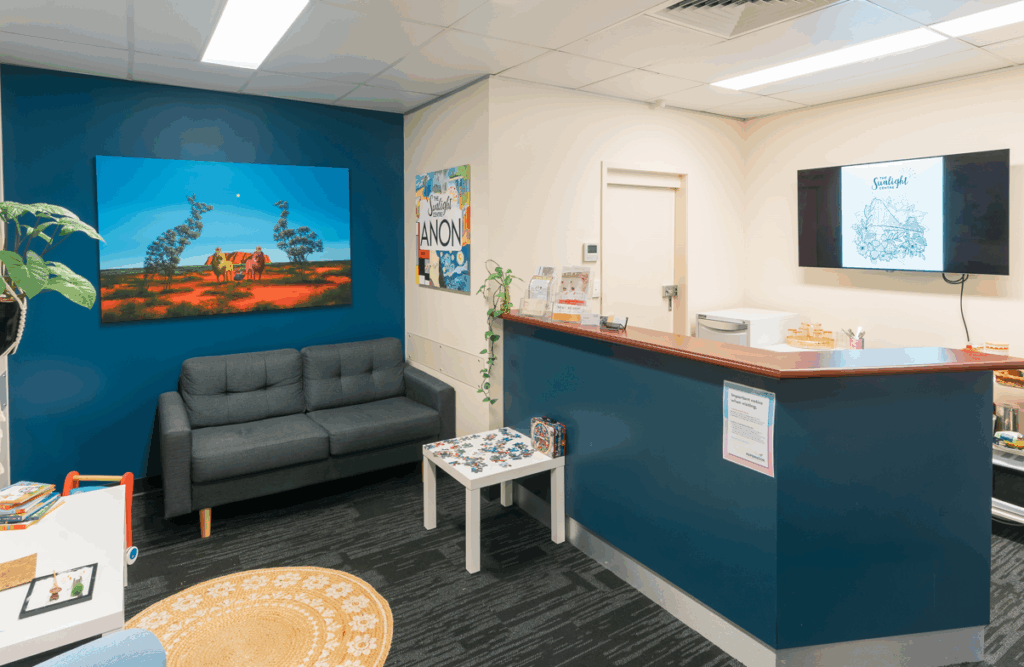
Ken began seeing clients in October 2017 in a spare room at the CarPort Cafe in Cannon Hill, and later thanks to Sunlight becoming a charity partner with Auto & General, was able to secure our own Centre on Thynne Road in Morningside.
The Sunlight Centre is now thriving under it’s current Board and Leadership growing with our ever flagship free face to face crisis counselling Services and our expert lead and developed mental health training for sectors such as corporate, youth & schools and professional development for mental health practitioners.
Mission
To provide accessible, practical mental health support through free counselling, education, and community connection for people experiencing emotional distress, suicidal thoughts, and self-harm challenges.
Vision
A connected community where people feel supported, empowered, and better equipped to manage their mental health and support others around them.
Values
Accessibility
Practical Support
Community Connection
Respect & Safety
Growth & Self-Awareness
Why we are
Mental health challenges affect a significant number of Australians each year, impacting individuals, families, workplaces, and communities. Many people still face barriers to accessing timely, practical support, while organisations are increasingly navigating the cost and impact of psychosocial risks in the workplace. These realities highlight the need for accessible support and clear, practical mental health education across both community and professional settings.
Mental Health stats in Australia
Nearly half of all people in Australia have experienced a mental health condition in their lifetime.
In 2020–2022, of the 19.8 million Australians aged 16–85 years, 42.9% (8.5 million people) had experienced a mental condition at some time in their life. 43.6% of females had experienced a mental health condition and 42.2% of males.1
Almost a third of people in Australia have experienced an anxiety disorder* in their lifetime.
In 2020–2022, 28.8% (5.7 million people) had experienced an anxiety disorder such as Social Phobia or Post-Traumatic Stress Disorder in their lifetime. A higher proportion of females (34.2%) than males (23.2%) had experienced an anxiety disorder.1
One in six people in Australia have experienced a mood disorder** – including depression – in their lifetime.
In 2020–2022, 16.0% (3.2 million people) had experienced an affective disorder in their lifetime such as a Depressive Episode. A higher proportion of females (18.5%) than males (13.3%) had experienced an affective disorder. 1
4.3 million people have experienced a mental health condition in the past 12-months.
In 2020–2022, one in five Australians (21.5%) had a 12-month mental disorder. Females (2.5 million, 24.6%) and Males (1.8 million, 18.3%). 1
1.5 million people have experienced symptoms of mood disorders – including depression – in the past 12-months.
In 2020–2022, 7.5% of Australians aged 16–85 years (8.6% of Females and 6.5% of Males) had a 12-month Affective disorder. 1
3.4 million people have experienced symptoms of anxiety disorders in the last past 12-months.
In 2020-2022, 17.2% of Australians aged 16–85 years had a 12-month Anxiety disorder. Females (2.1 million, 21.1%) and Males (1.3 million, 13.3%). 1
One in six people in Australia experience high or very high psychological distress.
In 2020-22, 16.7% of Australians aged 16-85 years experienced high or very high levels of psychological distress. Females (19.4%) were more likely to experience high or very high levels of psychological distress than males (13.9%). 1
One in five people in Australia (3.4 million) saw a health professional for their mental health.
In 2020–2022, 17.4% of Australians aged 16–85 years saw a health professional for their mental health in the last 12 months. 1
More people are seeking support from mental health professionals for their mental health. Women and young people are the most likely to seek support.
In 2020–2022, there were 4.3 million Australians aged 16–85 years with a 12-month mental disorder. Of these, 1.9 million (45.1%) saw a health professional for their mental health.1 This has increased from 35% in 2007. 2 Females and people aged 16-34 years were more likely to have seen a health professional for their mental health (Females 51.1% compared with males 36.4%; people aged 16–34 years 46.2% compared with people aged 65–85 years 35.1%). 1
Young women are more likely to experience a mental health condition than young men.
Almost half of females (45.5%) aged 16–24 years and a third of males (32.4%) aged 16–24 years had a 12-month mental disorder. 1
Every day in Australia, nine people die by suicide, seven of them are men.
More than 3300 people died by suicide in 2024. For males: 2,529 deaths have been initially identified as being due to suicide. For females: There were 778 deaths due to suicide.3
* An anxiety disorder is defined by the ABS in this research as one or more of the following: panic disorder, agoraphobia, social phobia, generalised anxiety disorder, obsessive-compulsive disorder and post-traumatic stress disorder.
** An affective or mood disorder is defined by the ABS in this research as one or more of the following: depressive episode, dysthymia and bipolar affective disorder.
First Nations People
First Nations Peoples are twice as likely to be psychologically distressed than non-Indigenous Australians.
Around one-third (32%) of Aboriginal and Torres Strait Islanders adult respondents with valid responses (K5 survey) had high or very high levels of psychological distress.1 This is two times higher than the proportion of people reporting high or very high levels of psychological distress among the general population (16.7%). 2
First Nations peoples are more than 2.5 times more likely to die by suicide.
In 2022, suicide accounted for 4.6% of all deaths among First Nations people in comparison to 1.6% of all deaths among non-Indigenous people. Both First Nations males and females experienced suicide deaths at a higher rate than their non-Indigenous counterparts. The rate of death by suicide for First Nations males was 2.6 times that of non-Indigenous males. The suicide rate for First Nations females was 2.5 times that of non-Indigenous females. 3
The rate of suicide among Indigenous young people is significantly higher than among non-Indigenous young people.
Suicide contributes to premature mortality in First Nations people, especially in younger age groups. Between the years 2018-2022, almost a quarter of all deaths (22%) of First Nations people aged between 0-24 years was a result of suicide, compared to 16.8% of deaths for non-Indigenous Australians aged between 0-24. 3
First Nations Peoples are three times more likely to be hospitalised for self-harm.
In 2022–23, the rate of intentional self-harm hospitalisations for First Nations peoples was over three times that of non-Indigenous Australians. From 2008–09 to 2022–23 the overall rate of hospitalised intentional self-harm for First Nations people rose steadily (from 203 to 295 hospitalisations per 100,000 population). 4
Discrimination and racism increase psychological distress experienced by First Nations peoples
Racism and racial discrimination are key determinants of health and wellbeing. Experiences of racism and racial discrimination are common for Aboriginal and Torres Strait Islander people and are associated with negative impacts on mental health and on social and emotional wellbeing. 5 Everyday racial discrimination could explain nearly half (47.4%) of the gap in psychological distress Aboriginal and Torres Strait people experience, compared to non-Aboriginal Australians. 6
LGBTIQ+ (Lesbian, Gay, Bisexual, Transgender or Intersex people^)
One in four people who identify as LGB+ are twice as likely to experience a mood disorder.
More than one in four people (28.2%) who described their sexual orientation as Gay or Lesbian, Bisexual or who used a different term had a 12-month Affective disorder. This is almost double the overall population – 16.0% (3.2 million people). 1
More LGB+ people had experienced a mental disorder at some time in their life than heterosexual people.
Of all LGB+ people, three in four (74.5%) had experienced a mental disorder at some time in their life (compared with 41.7% of heterosexual people), including: 63.5% of gay or lesbian people; 80.1% of bisexual people; 93.1% of people who used a different term to describe their sexual orientation. Of all LGB+ people, nearly three in five (58.7%) had a 12-month mental disorder (compared with 19.9% of heterosexual people), including: 42.8% of gay or lesbian people and 64.4% of bisexual people. 1
Half of people who identify as LGB+ have experienced an anxiety condition in the past 12-months– almost three times the rate of the overall population.
One in two people (50.3%) who described their sexual orientation as Gay or Lesbian, Bisexual or who used a different term had a 12-month Anxiety disorder. This is almost three times the rate of the overall population – 17.2% (3.4 million people) had a 12-month Anxiety disorder. 1
People from the LGBTIQ+ communities are four times more likely to experience psychological distress.
Almost half of all LGB+ people (43.9%) had high or very high levels of psychological distress, compared with just over one in seven heterosexual people (15.4%). The LGB+ rate includes more than one in four gay or lesbian people (28.6%) and more than one in two bisexual people (51.5%) who had high or very high levels of psychological distress. 2 More than half (57.2%) of participants in a study focused on LGBTIQ+ reported high or very high levels of psychological distress. 3 This is four times higher than the proportion of people reporting high or very high levels of psychological distress among the general population (16.7%). 1
People from the LGBTIQ+ community have a higher risk of suicide or self-harm.
More than two in five of all LGB+ people (41.2%) had self-harmed in their lifetime, compared with 7.4% of heterosexual people. The LGB+ rate includes 27.1% of gay or lesbian people and 47.5% of bisexual people who had self-harmed in their lifetime. Almost half of all LGB+ people (47.8%) had seriously thought about taking their own life at some point in their lifetime, compared with just over one in seven heterosexual people (15.3%). The LGB+ rate includes around one in three gay or lesbian people (35.6%) and more than one in two bisexual people (54.1%) who had seriously thought about taking their own life at some point in their lifetime.
LGB+ people seek mental health support at greater rates than heterosexuals.
Around six in ten (60.5%) LGB+ people with a 12-month mental disorder saw a health professional for their mental health in the 12 months prior, while around four in ten (42.7%) heterosexual people with a 12-month mental disorder had done so. Overall, almost half of all LGB+ people (46.8%) saw a health professional for their mental health in the last 12 months (compared with 16.0% of heterosexual people), including more than one in three gay or lesbian people (35.0%); and more than one in two bisexual people (53.0%). 2
Compared with young cis people, young trans people were more likely to experience a mental health condition.
Statistics of trans people aged 16-34 in comparison to cis people of the same age: Seven in ten (70.6%) trans people had experienced a mental disorder at some time in their life, compared with almost one in two (48.1%) cis people. More than half (58.8%) trans people has a 12-month mental disorder compared with 31.1% cis people. Almost half of trans people (46.6%) had high or very high levels of psychological distress. This was more than double the rate of cis people (20.5%). Almost two in five trans people (39.5%) had self-harmed in their lifetime, more than double the rate of cis people (16.8%). 4
^ A lesbian is a woman whose primary emotional and sexual attraction is towards another woman. Gay is a term mostly used to describe men whose primary emotional and sexual attraction is towards other men. However, it can be used to describe both men and women who are attracted towards people of the same sex. Bisexual refers to a person who is emotional and/or sexually attracted to people of more than one gender identity. Transgender (or sometimes trans or trans*) is an umbrella term used to describe a person whose gender identity or gender expression is different from that traditionally associated with the sex assigned at birth. Not all people who identify as transgender undergo medical procedures to change their bodies. Intersex is a general term used to describe a set of conditions where a person is born with reproductive organs or sex chromosomes that don’t fit with typical definitions of male or female.
Children & Youth
Mental health disorders among young people have increased by nearly 50 per cent in 15 years.
In 2020-2022, almost two in five people (38.8%) aged 16–24 years had a 12-month mental disorder. 1 In 2007, 26% of people aged 16–24 years had a 12-month mental disorder. 2
Young people experience mental health conditions at a higher rate than other age groups.
In 2020-2022, almost two in five people (38.8%) aged 16–24 years and around one in four people (26.3%) aged 25–34 years had a 12-month mental disorder. The overall national figure is one in five Australians (21.5% or 4.3 million people). 1
Young people with a disability, female, LGBTIQ+ are more likely to experience psychological distress – and at a higher level – than other age groups.
The annual Mission Australia Youth Survey suggests that some groups of young Australians experience more distress than others. For instance, more young females experience higher levels of psychological distress than males. Also, it suggests that a higher proportion of young Australians with disability experience psychological distress than do young people who do not have disability. 3 A 2019 survey of more than 6,000 young LGBTIQ+ Australians found that four-fifths (81%) of participants aged 14–21 reported high or very high levels of psychological distress. 4
Suicide is the leading cause of death among young Australians.
In 2023, deaths by suicide represented 31.8% of all deaths in young people aged 15–17 years and 33.1% of all deaths in those aged 18–24 years – up from 16.5% and 23.9% respectively of all deaths in these age groups in 2001. 5
Child maltreatment is associated with severe mental health problems.
Of those who experienced maltreatment 48% met criteria for one of the four mental health disorders. This is more than double, compared with one in five (21%) of those who did not experience maltreatment. 6
Young people are more likely than older generations to get mental health support.
In 2020–2022, 22.9% of people aged 16–34 years saw a health professional for their mental health, compared with 17.4% of people aged 35–64 years and 8.1% of people aged 65–85 years. 1
Regional & Rural
Remoteness is a major risk factor contributing to suicide and the likelihood that someone will die by suicide appears to increase further away from the city they live in.
In 2022–23, residents of ‘Very remote’ areas recorded a rate of 169 hospitalisations per 100,000 population, compared to that of residents in ‘Major cities’ (89 per 100,000 population). 1 In 2023, the rate for residents of ‘Very Remote’ areas (21.0 deaths per 100,000 population) was 2.1 times that of the rate for residents of ‘Major Cities’ (10.0). 2
Young people who live outside capital cities appear to be particularly at risk of self-harm and suicide.
In 2022-23, young people aged 15–19 had the highest rates of intentional self-harm hospitalisations from each remoteness area except ‘Very remote’ where 20–24-year-olds had the highest rate. The highest rate of intentional self-harm hospitalisations overall was in the 20–24 age group in ‘Very remote’ areas (435 hospitalisations per 100,000 population), followed by the 15–19 age group from ‘Remote areas’ (417 per 100,000 population). A similar pattern was seen with deaths by suicide as age-standardised suicide rates tended to increase with remoteness of place of residence.1
People in outer regional, remote or very remote areas of Australia face more barriers to accessing health care than people living in major cities, making it harder for them to maintain good mental health.
In 2023-24, those living in outer regional, remote or very remote areas (36.3%) reported waiting longer than they felt acceptable for a GP appointment than those living in major cities (26.0%). They were more likely to delay or not see a GP when needed (30.8% compared to 28.6% in major cities). 3
Workplace
Most Australian worker’s experience a mental health condition in their lifetime.
A 2021 survey of over 10,000 Australian workers, found that 61.8% of working Australians have reportedly experienced a mental health condition during their lifetime. 1
Many workers believe their mental health condition is related to their workplace.
In a 2021 survey of over 10,000 Australian workers, nearly a quarter (22.3%) of respondents believe they have a mental health condition that their workplace caused or made worse. 1
Employee mental health appears to affect employee retention.
Poor mental health can contribute to reduced productivity, absenteeism, and for many, the intention to quit their job. A 2025 survey of more than 2,000 employees and HR leaders found that most (6 in 10) employees have considered quitting their jobs because of their mental health.
The Sunlight Centre Board of Directors
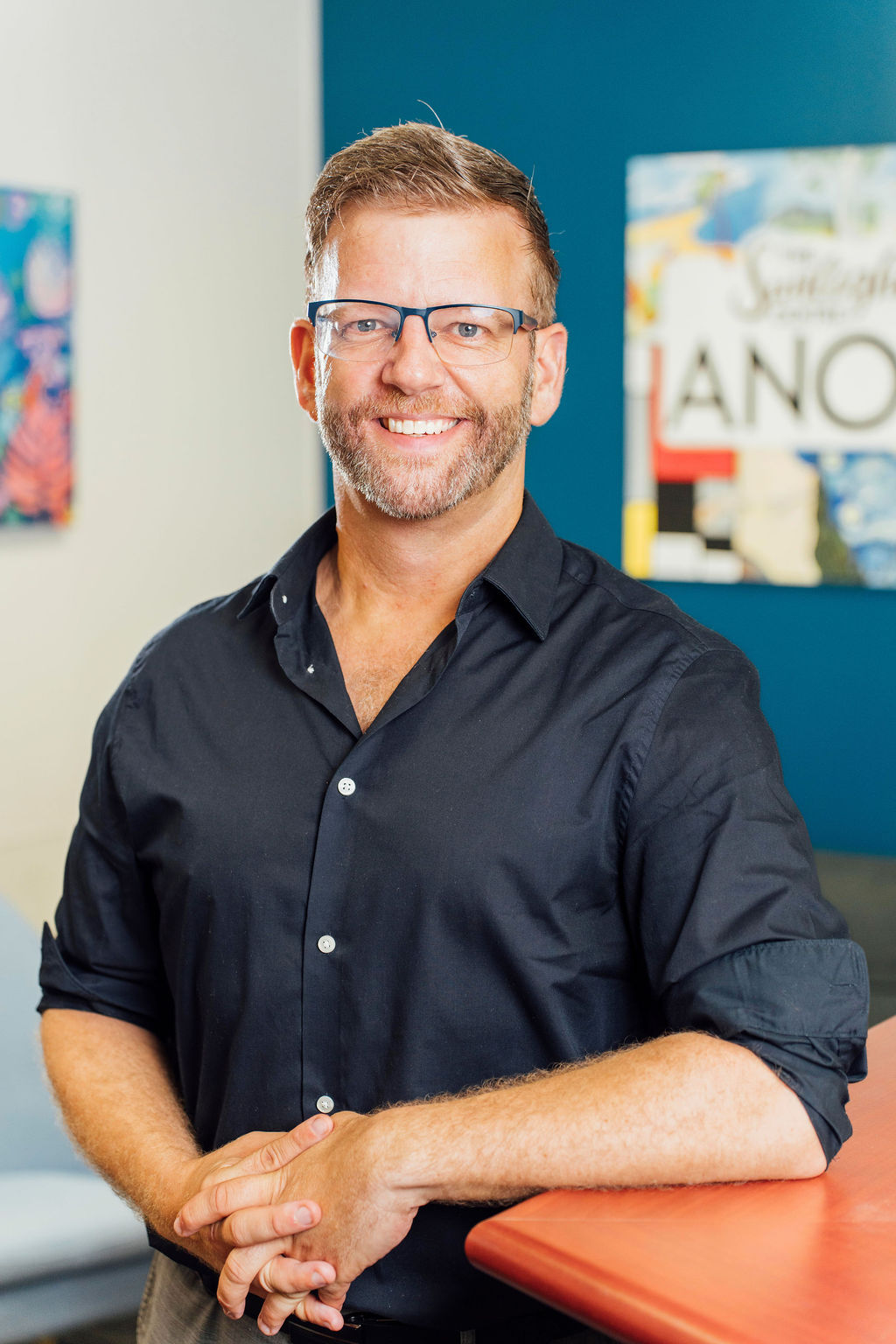
Ken Loftus - Founder / CEO / Clinical Director
Ken Loftus is the Founder, CEO and Clinical Director of The Sunlight Centre. He founded the organisation in 2017 after recognising the need for free, accessible, face-to-face counselling for people experiencing suicidal distress, self-harm, anxiety, trauma, and other mental health challenges.
Ken brings more than 25 years of clinical experience, training, and leadership to the role. He holds qualifications in Psychology and Psychoanalysis, postgraduate qualifications in Integrative Counselling, and a Master’s in Cognitive Behavioural Therapy, with ongoing professional development in therapeutic mindfulness, clinical supervision, trauma-informed practice, and suicide intervention.
At Sunlight, Ken leads the development of the Centre’s clinical services, training programs, and therapeutic frameworks. He is the creator of the Sunlight Centre Insight Therapy Model, supervises Sunlight’s counsellors, works directly with clients, and delivers mental health training across community, corporate, education, and professional development settings.
As CEO (since 2024) Ken’s work now spans clinical governance, service development, stakeholder engagement, and partnerships with sponsors, corporate supporters, and community organisations.
Ken’s strength is his ability to turn complex psychological ideas into practical tools people can use in real life whether in therapy, workplaces, schools, families, or community settings.
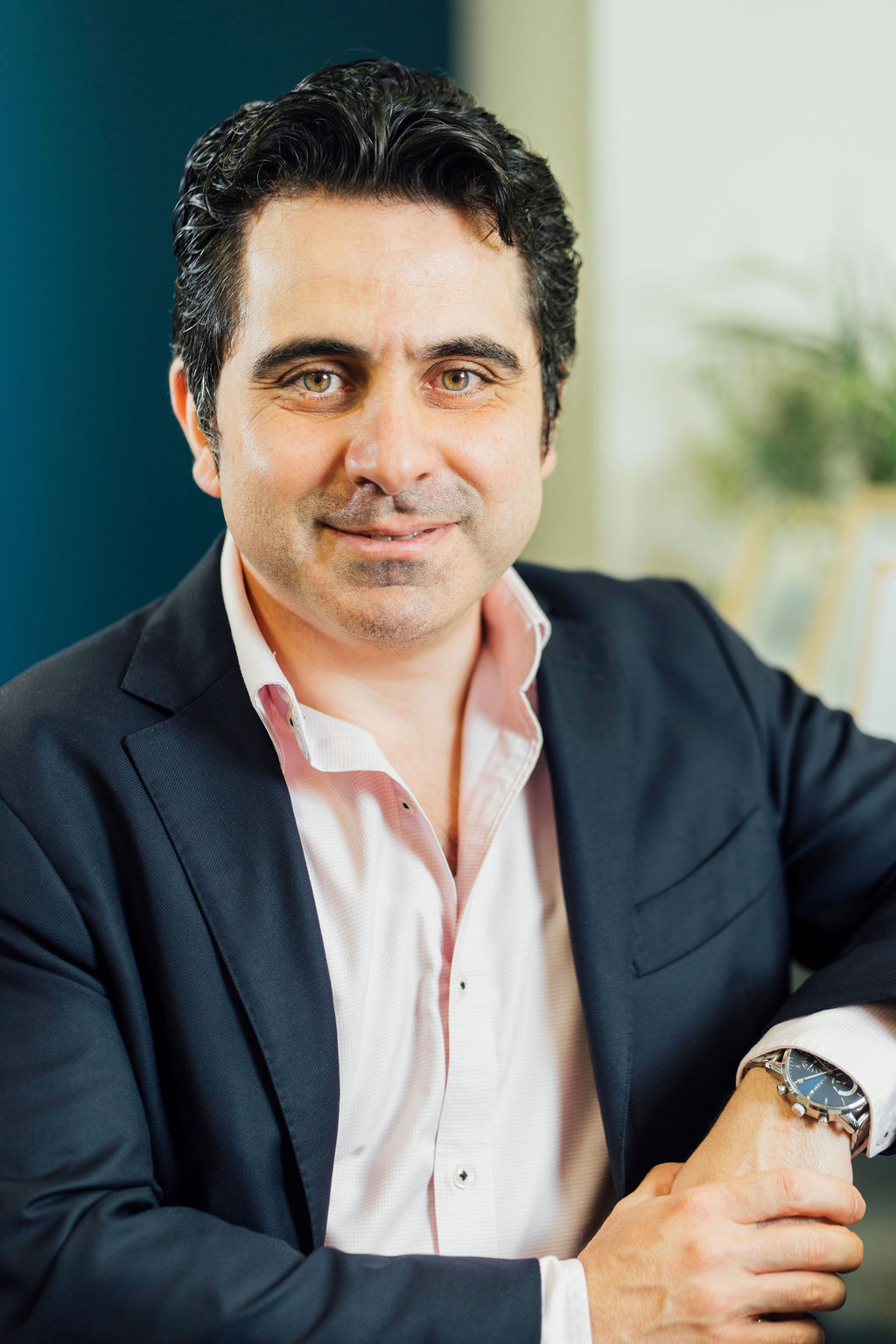
Sam Scarpato - Chair of the Board and Founding Director
In his career, Sam provides high end business analysis in the implementation of Enterprise level procurement solutions. Sam’s logical mind delves to the nature of issues to provide real outcomes to benefit customers, and he brings those skills to his role of Chair of the Sunlight Centre Board. Sam’s background also extends to Market research, including survey analysis and design.
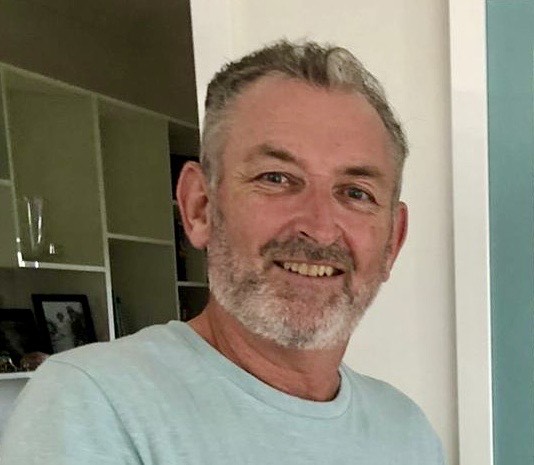
Gerry O'Shaughnessy - Director
Gerry joined the board of the Sunlight Centre in 2024, having just retired after four decades of working in the Finance & Insurance sectors , both in Ireland and Australia. Gerry’s last five years were spent developing and leading the Community team at Auto & General where his passion to “give back” was fostered. Gerry brings a range of proven skills and experience to the board from his time working in the Community and from leading teams over many years.
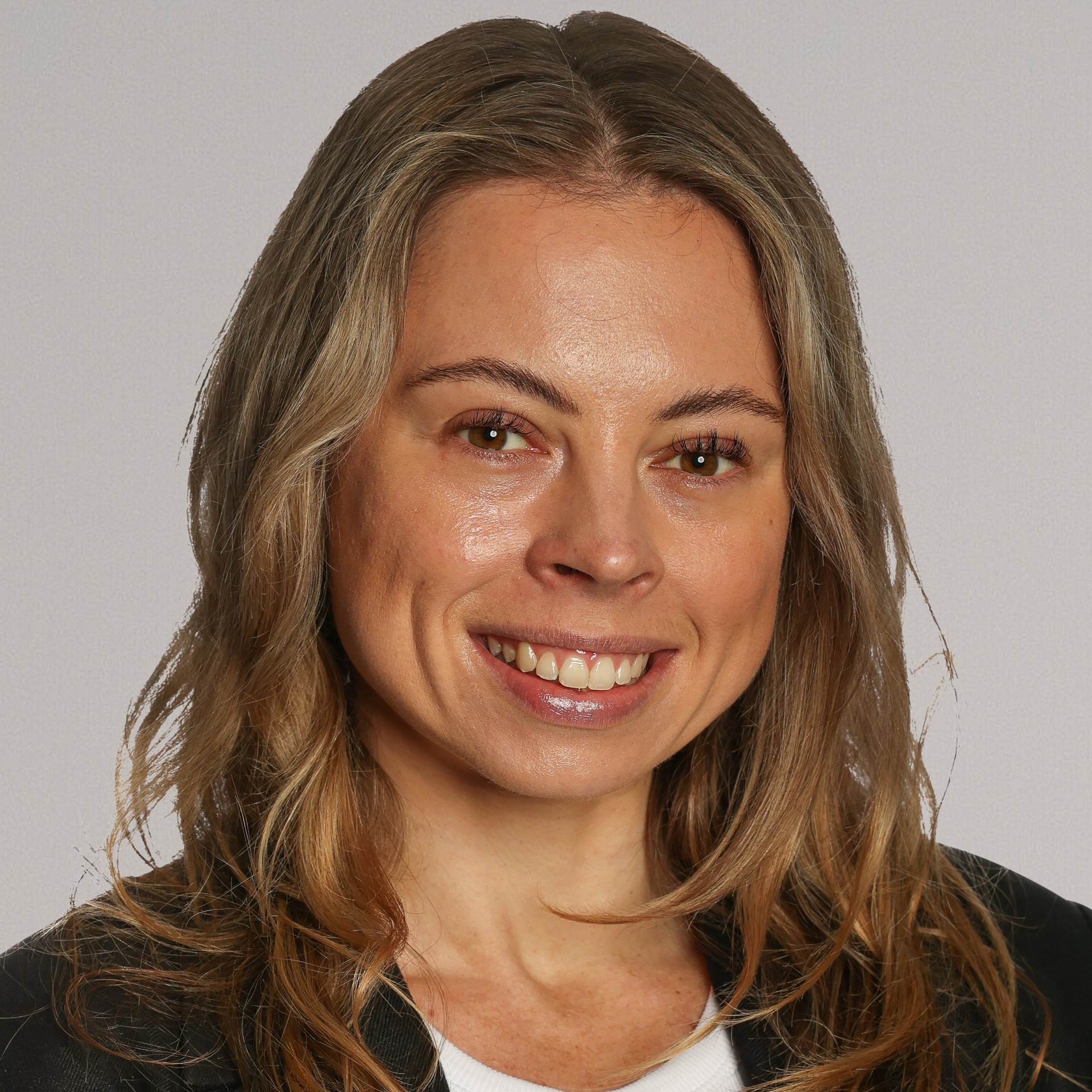
Greer Sullivan - Director
Greer is a strategy-driven infrastructure professional with a focus on improving how health and social infrastructure is planned, funded, and delivered across Australia and New Zealand.
With a background spanning law, consulting, and project delivery, Greer brings a multidisciplinary lens to complex infrastructure challenges. Her passion lies in health – not just the physical infrastructure, but how services connect and wrap around people. Greer believes good infrastructure can shape better lives, and is committed to solutions that are integrated, human-centred, and future-fit.
Greer’s experience spans health, transport, resources, and social infrastructure, with deep knowledge of primary and tertiary health systems, funding models, and service reform. She enjoys working with diverse stakeholders to navigate competing priorities and deliver meaningful outcomes.
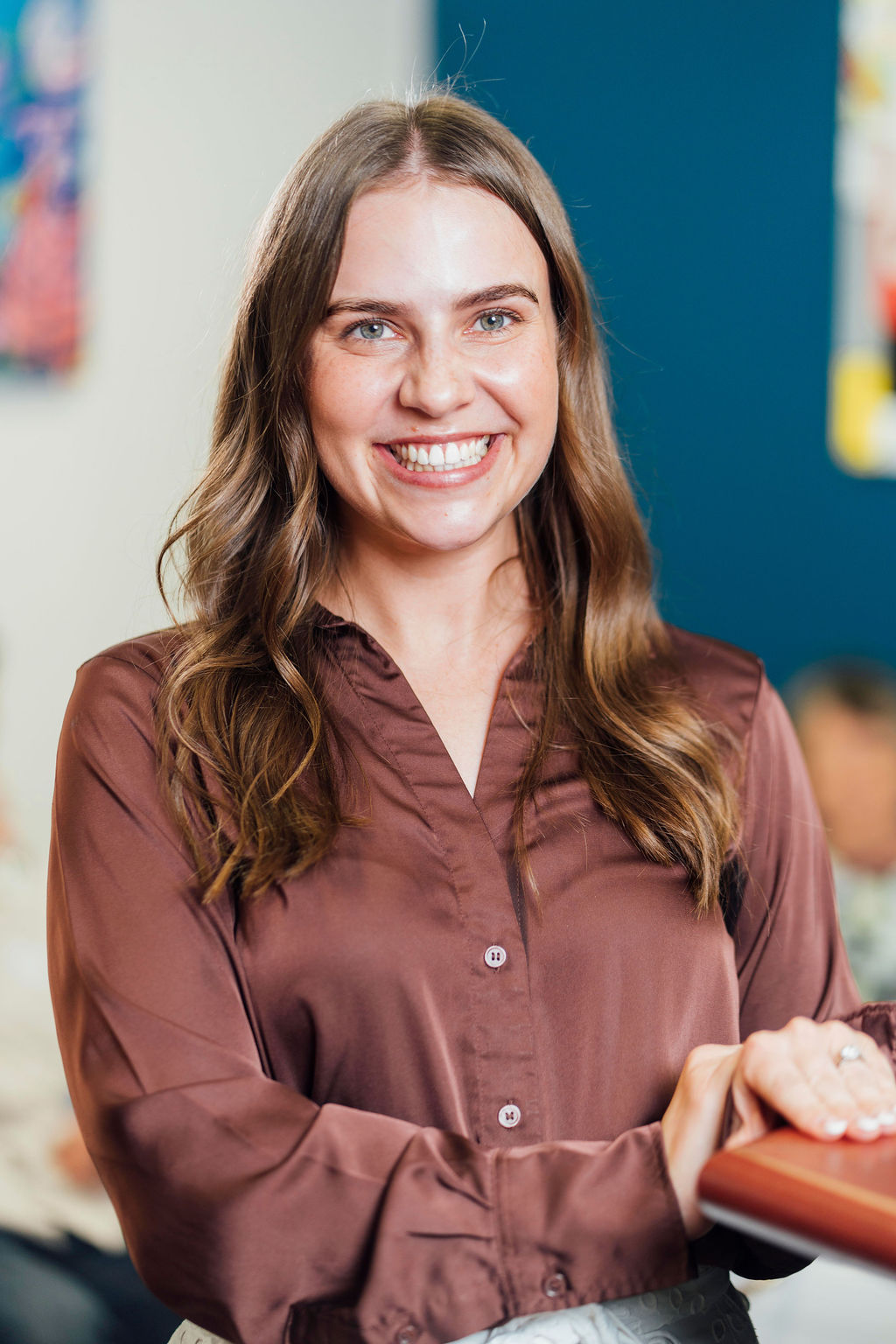
Grace Hurman - Director
Grace Hurman is a marketing and communications professional with experience across higher education, real estate, strategic communications, brand positioning, social media management, stakeholder engagement, paid advertising, and event management.
Grace has volunteered with The Sunlight Centre since 2021 and brings a strong understanding of the organisation’s mission, values, and community impact. Passionate about purpose-led communications, she is committed to helping organisations build meaningful connections with their communities through clear, authentic, and engaging storytelling.
Her professional background includes roles with the University of Southern Queensland and Place Estate Agents, as well as founding her own marketing agency. Across these roles, she has developed experience in strategic marketing, content creation, stakeholder communications, and project management.
Grace combines creativity with a thoughtful and collaborative approach, with a focus on supporting organisational growth, community engagement, and strong brand communication.
She holds a Master of Marketing, a Bachelor of Journalism, and a Graduate Certificate in Project Management. As a Board member, she supports The Sunlight Centre’s communications, public profile, stakeholder engagement, and strategic growth initiatives.